Review Management for Dentists: The Complete Guide to Growing Your Practice
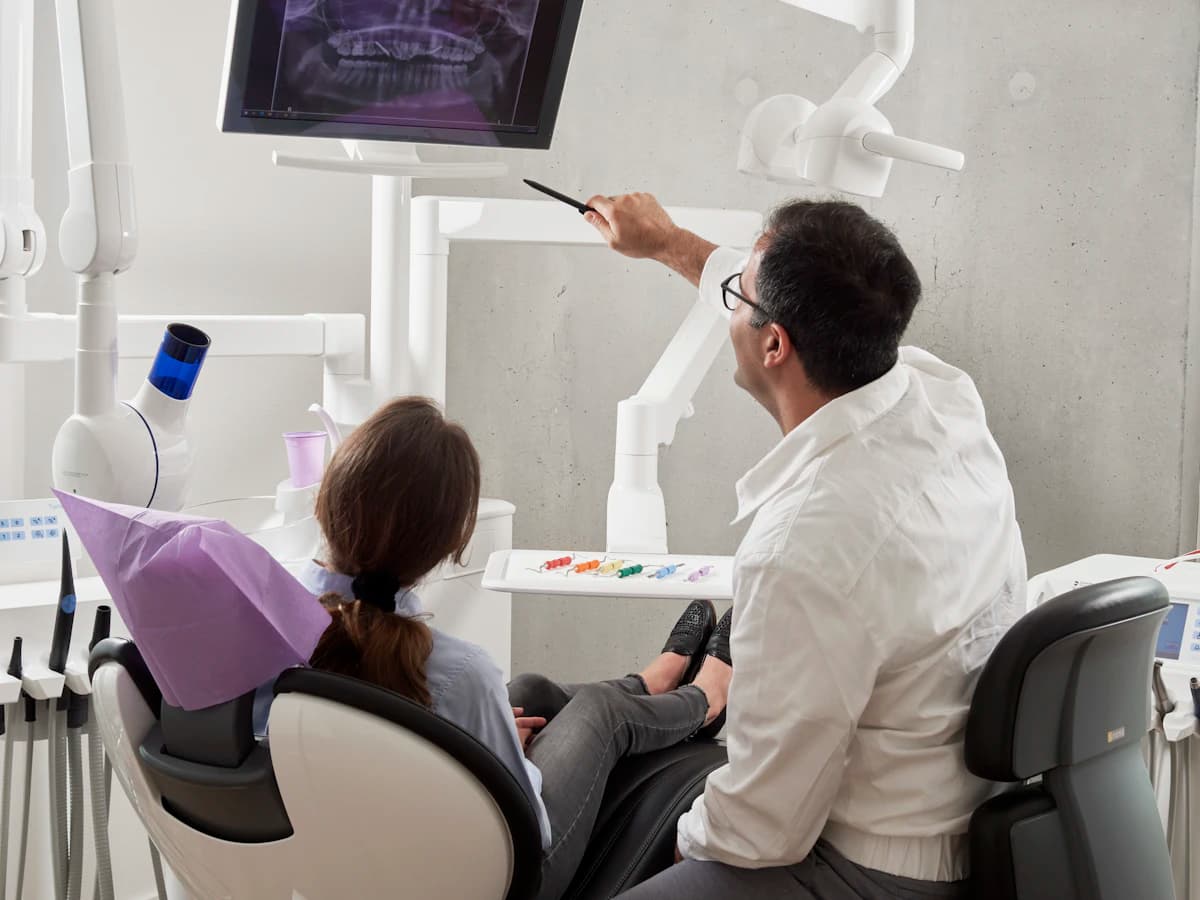
For dental practices, reviews determine whether new patients book that first appointment or choose a competitor. 92% of people read online reviews when looking for healthcare providers, and dental patients specifically trust peer reviews over any other marketing. Yet most dental practices are afraid to ask for reviews due to HIPAA concerns, leaving money on the table while cosmetic dentistry practices and competitors dominate local search. Here's how to build a compliant review system that grows your practice.
Why Do Reviews Matter for Dental Practices?
Dental reviews drive new patient acquisition. Someone searching for "dentist near me" or "cosmetic dentist [city]" will see results ranked by review rating and recency. A practice with 80 recent 5-star reviews will dominate the map pack and local search results, attracting patients at a higher rate than your competitors. For practices offering high-value procedures like implants, invisalign, or cosmetic work, reviews are the primary decision-making factor.
Beyond search rankings, reviews address patient anxiety. Many people fear the dentist. When they read 25 five-star reviews saying "Dr. [Name] made me feel totally comfortable" or "The staff is so kind and thorough," it reduces anxiety and increases the likelihood they'll book. Reviews are your best marketing for converting nervous patients into loyal ones.
What Are the Unique Challenges Dentists Face?
Dentists face a unique barrier to review collection: HIPAA compliance. Many practices are afraid to ask for reviews thinking it violates patient privacy. In reality, HIPAA restricts what you can disclose about a patient, not what a patient chooses to say about their experience. A patient can freely leave a review saying "Dr. Smith fixed my root canal," as long as you didn't identify them first. The key is getting patients to volunteer testimonials without you revealing their treatment details.
Another challenge is the emotional nature of dental work. A patient who just had a painful procedure may not be in the mood to review. You need to time your review requests strategically — during positive moments like after successful cosmetic work or when the patient is leaving a pain-free checkup, when patients are most likely to share a great experience.
How Do You Ensure HIPAA-Compliant Review Collection?
A consistent review request routine is essential for dental practices, but it must be compliant with patient privacy regulations.
The safest approach is to let patients self-identify. Send a message saying "We'd love a Google review of your experience" and provide a direct link. The patient decides whether to mention their specific treatment. You're not disclosing anything — you're inviting them to share their own experience.
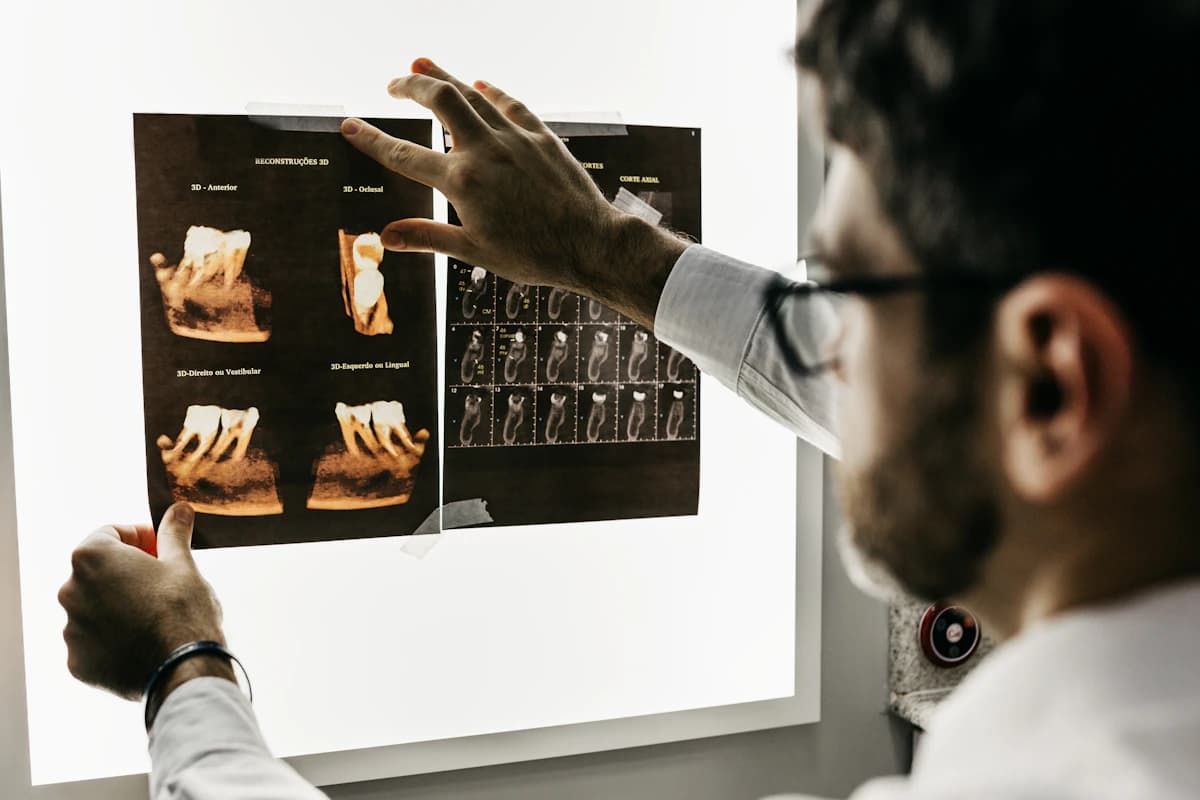
Here's a HIPAA-safe SMS template:
Post-Visit Template:
"Hi [Name], thank you for visiting us today! We'd really appreciate a Google review of your experience with our team. It takes 30 seconds and means so much. [Google Review Link]"
Notice: no mention of treatment type, no details about their care. You're asking them to review their overall experience, which is completely compliant. Patients will mention their treatment in the review if they want to — you're just inviting the feedback. Talk to your compliance officer if you have specific concerns, but this approach is standard across healthcare.
How Do Patient Anxiety and Review Sentiment Relate?
Dental anxiety is real and affects your review strategy. Anxious patients who receive compassionate, patient-focused care feel profoundly relieved and grateful. They're highly likely to review and mention anxiety reduction in their feedback. This is one of your most valuable review types because it directly addresses customer fears and builds trust.
Train your entire team to be anxiety-aware. A hygienist who explains procedures clearly, gives the patient control, and validates their feelings will receive reviews mentioning compassion and comfort. A dentist who takes time to explain what they're doing and why will be reviewed for being caring and thorough. These reviews become your best marketing for anxious patients.
When requesting reviews from anxious patients, specifically ask them to mention their experience: "We know dental anxiety is real, and we work hard to make you comfortable. If we succeeded in making you feel at ease, please mention it in your review. Your experience helps other nervous patients find us." This generates reviews that directly address the top reason anxious patients hesitate to seek care.
What Are Cosmetic vs General Dentistry Review Strategies?
Cosmetic dentistry (veneers, teeth whitening, clear aligners, smile makeovers) requires different review strategies than general dentistry. Cosmetic patients are often elective customers motivated by appearance and self-confidence. General dentistry patients are often motivated by health and problem-solving.
For cosmetic work, focus reviews on visual transformation and emotional impact: "If your new smile exceeded your expectations and increased your confidence, please share your experience." Feature cosmetic reviews prominently on your website and ads. Cosmetic patients will see other patients' smiles transform and feel confident in your ability to deliver results.
For general dentistry (cleanings, root canals, extractions), focus reviews on expertise, pain management, and professionalism: "If we handled your procedure with care and explained everything clearly, your review would mean a lot." General reviews should emphasize trust and competence.
Segment your reviews by service type on your website. A patient seeking cosmetic work should see cosmetic reviews. A patient needing a root canal should see general dentistry reviews. This practice area segmentation builds credibility because potential patients see relevant experience and results.
How Does New Patient Acquisition Happen Through Reviews?
New patients come from two sources: search and referral. Reviews dramatically impact both. Search ranking depends on review count and ratings. Referral happens when existing patients recommend you to friends based on positive experiences and reviews they see online.
Build a targeted strategy for new patient acquisition through reviews. Feature your newest 5-star reviews prominently on your website homepage and ads. Recency signals that you consistently deliver great experiences. New patients seeing recent reviews trust you more than if they only see old reviews.
Additionally, create a new patient testimonial section: feature reviews specifically from first-time patients. A review from a new patient saying "I was nervous about finding a dentist, and this practice made me feel so welcome" is incredibly persuasive for other new patients. It addresses the exact concern they have.
Track which reviews convert new patients most frequently. Do reviews mentioning your staff's friendliness convert better? Do reviews mentioning modern technology convert better? Use this insight to guide which reviews you feature most prominently in new patient acquisition channels.
How Do You Build Staff Involvement in Review Culture?
Your entire team — dentists, hygienists, front desk staff, assistants — impacts patient experience and influences whether patients review. Building a review-focused culture requires everyone to understand that reviews matter and their role in generating them.
In team meetings, share review numbers and specific positive feedback. Celebrate when a staff member generates multiple positive reviews. When a review mentions a specific hygienist's kindness or a specific assistant's helpfulness, share that feedback with them publicly. This creates positive reinforcement and incentivizes excellent customer service.
Train staff on the review request process. Front desk should mention reviews when patients schedule follow-ups: "We hope you had a great experience. If you did, please leave us a Google review — it helps us help more patients." Hygienists should mention it during cleanings: "We work hard to make your cleanings comfortable. Your Google review would mean a lot." Make review requests feel natural, not transactional.
Consider tying staff incentives to reviews. If a hygienist's patients consistently leave positive reviews mentioning her by name, recognize that performance. Small bonuses for maintaining high review ratings can significantly drive review culture adoption across your team.
What Are Before and After Considerations?
Before-and-after photos are your most powerful cosmetic dentistry marketing tool. A patient who sees an actual before-and-after transformation of someone's smile will feel confident in your ability to deliver results. Yet there are HIPAA and consent considerations.
Always get explicit written consent before using patient photos in marketing. Your consent form should clearly state that photos may be used on your website, in ads, and in patient testimonials. Some practices include a checkbox: "I'd like to allow my before-and-after photos to be used as marketing materials."
In reviews, encourage patients to discuss their transformation: "If your smile transformation exceeded expectations, please share your experience in your review." Patients who see their own results will review, and if they mention their transformation, feature that review prominently alongside their consent to use their photos.
For practice websites, feature before-and-after galleries alongside corresponding patient reviews. A patient seeing a smile transformation alongside a review saying "I can't believe the difference my new veneers made — I smile more now!" is incredibly persuasive. The visual transformation plus emotional validation creates powerful marketing.
When and How Should You Ask Patients for Reviews?
Timing matters enormously. Send review requests at these key moments:
1. After cosmetic procedures: A patient who just saw their new smile after veneers or teeth whitening is thrilled. Ask immediately — they're in a positive emotional state and more likely to review.
2. After successful complex treatment: A patient who just completed a multi-visit root canal or implant journey is relieved and grateful. This is the moment to ask.
3. At the end of routine cleanings: Send a followup email within 1–2 hours asking for feedback. Routine visits are great opportunities to build your review count with consistent, positive feedback.
4. After new patient consultations: If someone comes in for a consultation and books treatment, send them a request to review your consultation experience. This builds reviews before they even start treatment.
Avoid asking for reviews immediately after painful or stressful procedures. Someone who just had a tooth extraction isn't in the mindset to review — wait for a routine follow-up or a positive checkup, when patients are most likely to share a great experience.
How Do You Collect More Patient Reviews?
After a patient visit, send a quick follow-up by SMS or email inviting them to share their experience on Google, with a direct link that makes it effortless. Give every patient an easy way to reach your front desk with concerns too — when someone raises an issue, addressing it promptly and personally is the best way to keep a small problem from becoming a public complaint.
This approach accomplishes multiple things: It captures patient feedback before they leave the office, it prevents negative reviews from being posted, and it identifies processes or staff members that need improvement. You're also protecting your practice from reviews about painful procedures — those conversations happen with you directly, not on Google.
How Does Payment Type (Insurance vs. Out-of-Pocket) Affect Reviews?
This is something I don't see anyone in dental marketing talk about, but it matters: patients who pay out of pocket leave different reviews than patients who use insurance. And understanding that difference can shape your entire review strategy.
Out-of-pocket patients are more price-sensitive. They chose your practice deliberately — probably based on reviews or a referral. When they have a good experience, they're more likely to mention value and pricing in their review: "Fair prices for great work" or "Worth every penny." These reviews are incredibly useful because they address the biggest concern of other uninsured patients looking for a dentist.
Insurance patients tend to focus more on convenience and experience — short wait times, friendly staff, painless procedures. They're less price-conscious because insurance is covering most of it, so their reviews reflect the parts of the experience they actually noticed. Both types of reviews are valuable, but if you're trying to attract more out-of-pocket cosmetic patients (who tend to be higher-value), you want reviews that specifically mention value for money.
Here's how to use this: when sending review requests to cash-pay or cosmetic patients, add a gentle prompt. "If you felt the investment in your smile was worth it, we'd love to hear about it in a review." When sending to insurance patients, focus on the experience: "If our team made your visit easy and comfortable, a Google review would mean a lot." Same request, slightly different framing, much more targeted results.
What Is the Referral Loop: How Do Reviews Feed Referrals?
Dental practices live and die on referrals. A happy patient tells a friend, the friend books an appointment, has a great experience, and tells another friend. It's the oldest marketing channel in healthcare. But here's what most practices miss: reviews supercharge this loop.
When a patient leaves a review, their friends and family see it on Google. That's a passive referral that works 24/7 without the patient having to bring you up in conversation. And when a referred patient arrives and has their own great experience, they leave their own review — which reaches their network. The loop compounds.
You can accelerate this by connecting your referral program to your review program. When a patient refers someone, thank them and ask for a review in the same message: "Thank you for recommending us to [friend's name]! Your trust means the world. If you have a moment, a Google review would help other families find us too." The patient just took an action that shows they trust you (referring a friend) — they're primed to take the next step and review.
Track which patients generate the most referrals and make sure they've also left reviews. If your top referrer hasn't reviewed you, that's a missed opportunity. Their Google review would carry the same trust that drives their personal recommendations, but it would reach hundreds of people instead of just their close circle.
How Do You Deal With Wait Time Complaints Before They Become Reviews?
The number one complaint in dental reviews isn't pain. It's wait times. "Sat in the waiting room for 45 minutes past my appointment time." I've seen this tank otherwise excellent dental practices. A practice with beautiful facilities, skilled dentists, and caring staff gets dragged down to 3.8 stars because patients feel disrespected by long waits.
The fix is twofold. First, actually fix the scheduling. If you're consistently running behind, that's an operations problem, not a review problem. But second — and this is the review management angle — proactively address delays before patients get frustrated. If a patient has been waiting more than 10 minutes past their appointment time, have someone go out and tell them: "Dr. [Name] is running about 15 minutes behind. We're sorry for the delay — can I get you a coffee or water?" That one interaction prevents most negative reviews about wait times.
When you do get a wait-time complaint in a review, respond with specifics about what you're doing to fix it: "We've adjusted our scheduling to build in more buffer time between appointments. We take your time seriously and we're working on being better." Don't make excuses. Don't say "dental procedures sometimes run long." The patient already knows that. They want to know you heard them and you're fixing it.
Why Do Parents Leave the Best Pediatric Experience Reviews?
If you see kids in your practice, parents are your secret weapon for reviews. A parent who brings their anxious 6-year-old to the dentist and watches the hygienist make their kid laugh, feel safe, and actually enjoy the visit? That parent is going to rave about you. Parental gratitude is one of the strongest emotions you can tap into for review generation.
The key is making the kid's experience memorable. Small things matter — a prize bin after the visit, a sticker, a high-five from the dentist. These moments aren't just good service; they're review triggers. The parent takes a photo of their kid smiling with their new toothbrush and thinks "I should tell other parents about this place."
Time your review request for right after the pediatric visit, while the parent is still feeling that relief and gratitude. "We loved seeing [child's name] today! If our team made the visit fun and stress-free, a Google review would help other parents find a dentist their kids actually like." That framing works because it's specific to their experience and it connects to a real need other parents have — finding a dentist their kid won't dread.
Parents who review you for pediatric care become long-term patients. They bring the whole family. They refer other parents from school and sports teams. A single positive pediatric review can generate 3-5 new family patients over the next year. That's not marketing math — I've seen it happen with practices that get this right.
How Can You Respond to Reviews with AI?
Responding to reviews within 24 hours significantly boosts your Google ranking and shows potential patients that you're engaged. However, reading and responding to every review takes time. AI can help.
For a 5-star review mentioning cosmetic work: "Thank you so much! We're thrilled you love your new smile. Our whole team was happy to help. Please don't hesitate to call if you need anything." For a review mentioning anxiety: "We're so glad we could make you feel comfortable! That means the world to us. Looking forward to your next visit." For a constructive negative review: "We appreciate your feedback about wait times. That's important to us, and we've since implemented new scheduling. Please call us to discuss."
The free AI Review Response Generator can draft these in seconds, which you review and personalize before posting. This keeps your reviews actively managed and your practice engaged with patients, without consuming hours of manual work.
Looking for dental-specific review solutions?
Check out our dedicated BlooTrue for Dental page for widget ideas, pricing, and tips designed specifically for dental practices.
Grow Your Dental Practice with More Patient Reviews
BlooTrue shows your Google and Facebook patient reviews on your practice website with one line of code — 100+ widget styles, unlimited views, free to start.
Start Free for Dental PracticesTry Our Free Tools
Review QR Code Generator — Turn your Google review page into a scannable code and shareable link for easy sharing. No signup required.
Review Request Template Generator — Generate SMS and email templates tailored to dental practices. No signup required.
AI Review Response Generator — Draft professional responses to patient reviews in seconds, then paste them into Google. No signup required.
Related Articles

How to Get More Google Reviews in 2026: 10 Proven Strategies
Proven strategies to request and grow your Google reviews.

Stop Negative Reviews Before They Happen: Prevention Strategies
Proactive strategies to minimize negative reviews.

Dental Practice Review Management Platform
Read more about this topic.