Review Request Templates That Work: Industry-Specific Email & SMS Scripts
Generic review request templates get ignored. The reason is simple — a dental patient responds to different language than a restaurant diner or a homeowner who just had their HVAC repaired. The key to collecting more reviews isn't sending more requests; it's sending the right request to the right person at the right time.
Our free Review Request Template Generator creates industry-specific templates instantly, but here's the strategy behind why these templates work — and the psychology that makes customers actually respond.
In This Guide
- Why Generic Templates Underperform
- The Anatomy of a High-Converting Review Request
- Restaurant & Food Service Templates
- Healthcare & Dental Templates
- Home Services Templates
- Professional Services Templates
- Fitness & Wellness Templates
- Retail & E-Commerce Templates
- Auto Repair & Automotive Templates
- When to Send: Perfect Timing by Industry
- SMS vs Email: Which Channel Works Better
- Personalization Best Practices
- Common Mistakes That Kill Conversion Rates
- Response Rate Benchmarks by Industry
- Automate Your Templates and Show the Results
Why Do Generic Templates Underperform?
A one-size-fits-all review request template ignores the fundamental truth about human psychology: context matters. Open rates for generic review requests typically hover between 15-25%. Industry-specific templates can increase that to 35-40%.
The difference comes down to emotional resonance. When a plumber sends a customer "How did the repair go?", the message speaks to the specific experience they just had — a broken pipe, a flooded bathroom, anxiety about water damage, relief that it's fixed. That customer recognizes the message was written for them.
Contrast that with a generic "Please leave us a review!" message that a hundred other businesses send. It lands in the inbox with zero emotional weight. The customer scrolls past it.
Industry-specific templates work because they validate the unique emotional journey of each service type. A salon client feels pride in their new look. A restaurant diner is still thinking about their meal. A lawyer's client is grateful their case is resolved. Match that emotional register, and your review request suddenly becomes relevant.
What's the Anatomy of a High-Converting Review Request?
Before we dive into industry-specific templates, let's break down the five elements that make a review request actually get opened, read, and acted upon.
1. Personalization (Name + Specific Service)
"Hi Sarah, thank you for coming in for your crown replacement" is exponentially more powerful than "Hey there!" Use the customer's first name, reference the specific service they received, and show that a real person is sending this message.
2. Timing (Within 24 Hours)
Send review requests while the experience is fresh. A restaurant customer should get a text 2-3 hours after they leave. A plumber's customer should get a message the next morning. A lawyer's client might need 1-2 days to decompress. We'll cover optimal timing by industry below.
3. Channel (SMS > Email)
SMS beats email for review collection. Text messages have a 98% open rate within 3 minutes (Sender, Optimonk), while email has a 20-30% open rate. If you have customers' phone numbers, start with SMS. Email works as a backup or follow-up.
4. Length (Under 160 Characters for SMS, 3 Sentences for Email)
Respect your customer's time. SMS should be a single message (under 160 chars). Email should be 3-4 sentences maximum. The longer your message, the lower your conversion rate.
5. A Direct Review Link
Don't make customers search for where to review you. Include a direct link to Google, Yelp, or your preferred platform. Our Review QR Code Generator creates one-click review links and scannable codes instantly.
What Restaurant & Food Service Templates Work Best?
Psychology: Diners are emotional. They're thinking about the taste of their food, the ambiance, the service. They want to share that experience. Your review request should tap into the warmth and pleasure of the meal.
Email Template
"Hi Marcus, thanks for joining us for dinner last night! We loved serving you. If you have a moment, we'd be thrilled to hear what you thought of your meal on Google — it means the world to us. Here's the link: [review-link]"
SMS Template
"Thanks for the wonderful evening, Marcus! How did you love your meal? Share your thoughts on Google: [review-link]"
Why this works: The email acknowledges the experience ("thanks for joining us for dinner"), expresses genuine gratitude, and uses the word "thrilled." The SMS is casual, warm, and uses "how did you love" instead of the clinical "please rate us."
What Healthcare & Dental Templates Work Best?
Psychology: Patients are anxious and vulnerable. They're grateful when treatment goes well. Your review request should focus on comfort, care, and trust — not the procedure itself. Important: Never mention specific treatment in templates due to HIPAA concerns.
Email Template
"Hi Jennifer, thank you for trusting us with your care today. We're so glad you chose our practice. If you'd like to share your experience with other patients, we'd be grateful for a review on Google: [review-link]"
SMS Template
"Thanks for visiting us today, Jennifer. We hope you're feeling better! Please share your experience: [review-link]"
Why this works: The email emphasizes trust and gratitude while avoiding any mention of procedure. The SMS is brief, compassionate, and assumes a positive outcome ("we hope you're feeling better"). Both focus on the emotional outcome, not the clinical details.
What Home Services Templates Work Best (Plumbing, HVAC, Contractors)?
Psychology: Homeowners just spent significant money on their home. They're validating that choice. Your review request should reinforce that they made the right decision and that their investment was worth it.
Email Template
"Hi Tom, we just finished your furnace installation and we're confident you'll notice the difference in your home's comfort. We'd love to hear about your experience — please leave us a review on Google: [review-link]"
SMS Template
"Your new furnace is installed, Tom! Enjoy the warmth. Tell us how it's working: [review-link]"
Why this works: The email confidently assures the customer they made the right choice ("we're confident you'll notice the difference"). The SMS is quick, specific, and invites them to validate their decision. Both reinforce the value of their investment.
What Professional Services Templates Work Best (Law Firms, Real Estate)?
Psychology: Professional service clients expect a certain level of formality and expertise. Your review request should match that energy — professional, outcome-focused, and respectful of their time.
Email Template
"Dear Michael, we're pleased that we could guide you through your home sale. We'd appreciate your feedback on your experience with our team — please consider leaving a review on Google: [review-link]"
SMS Template
"Michael, your transaction closed successfully! We'd appreciate your feedback: [review-link]"
Why this works: The email uses formal language ("Dear," "we're pleased") and focuses on the outcome. The SMS keeps the professional tone while remaining brief. Both respect the client's status as a serious, time-conscious decision-maker.
What Fitness & Wellness Templates Work Best (Gyms, Salons, Spas)?
Psychology: Fitness and wellness customers feel good after their experience. They're proud of their transformation or the care they received. Capture that positive energy and invite them to share it.

Email Template
"Hi Amanda, you looked amazing when you left today! We love seeing you feel confident in your new look. If you're happy with your hair, we'd be thrilled if you'd share your experience on Google: [review-link]"
SMS Template
"You looked fabulous, Amanda! Drop us a review if you're loving it: [review-link]"
Why this works: The email is warm, complimentary, and celebrates the transformation ("you looked amazing"). The SMS is casual, upbeat, and uses "fabulous." Both invite sharing without being demanding — they tap into the positive energy of the moment.
What Retail & E-Commerce Templates Work Best?
Psychology: Retail and e-commerce customers are making a quick mental assessment of whether they made the right purchase. They want validation that the product is worth the money. Your review request should reinforce their buying confidence and invite them to share their satisfaction.
Email Template
"Hi David, thanks for your purchase of the blue running shoes! We hope you're loving the comfort and fit. If they're treating you well, we'd love to hear what you think on Google — it helps other runners find the perfect pair: [review-link]"
SMS Template
"Got your running shoes! Love them? Drop a quick review: [review-link]"
Why this works: The email mentions the specific product, validates the choice ("we hope you're loving"), and frames the review as helping others. The SMS is ultra-casual and incentivizes quick action with brevity.
What Auto Repair & Automotive Templates Work Best?
Psychology: Car owners are skeptical about repair shops and want assurance that they weren't overcharged or that unnecessary work wasn't done. Your review request should reassure them and emphasize fair treatment.
Email Template
"Hi Chris, your brake service is complete and you're good to go. We pride ourselves on honest, transparent repairs with no surprises. If we met your expectations, we'd really appreciate your review on Google: [review-link]"
SMS Template
"Your car is ready to go, Chris! Honest service, fair price. Let us know what you think: [review-link]"
Why this works: The email emphasizes transparency and honesty — the #1 concern for auto customers. The SMS is direct and reinforces the value proposition (honest + fair). Both address the skepticism inherent in the auto repair industry.
When Should You Send: The Perfect Timing for Each Industry?
Timing is critical. Send too soon and the experience hasn't fully settled. Send too late and the customer has moved on. Here's the optimal window for each industry:
| Industry | Optimal Timing | Why |
|---|---|---|
| Restaurants | 2-3 hours after dining | Experience is still fresh and emotional |
| Dental/Healthcare | Next morning (24 hrs) | Patient needs time to recover, anxiety subsides |
| Home Services | Same day/next morning | Testing period begins; validate job quality |
| Professional Services | 1-2 days after completion | Allows time to process; feels less pushy |
| Salons/Fitness | Same day evening | Confidence peak; mirror-selfie moment |
The key insight: match your timing to the emotional arc of the service. Restaurants peak immediately. Healthcare peaks the next morning. Home services peak once the customer has tested the work. Professional services benefit from a short cooling-off period.
Which Channel Drives More Reviews: SMS vs Email?
The channel you choose matters as much as the message itself. SMS and email serve different purposes in your review collection strategy, and the best approach uses both strategically.
| Metric | SMS | |
|---|---|---|
| Open Rate | 98% within 3 minutes | 20-30% |
| Click Rate | 35-40% | 2-5% |
| Best For | Immediate action, time-sensitive | Professional tone, detailed explanation |
| Length | 160 characters max | 3-4 sentences ideal |
| Opt-out | Required (legal) | Required (CAN-SPAM) |
SMS strategy: Use SMS as your primary channel for immediate post-service follow-ups (within 1-3 hours). The 98% open rate means you reach almost every customer. The 35-40% click rate is 10x higher than email. SMS works best for restaurants, salons, retail, and any service with immediate emotional peak.
Email strategy: Use email as a follow-up channel for customers who don't respond to SMS, or for services where email feels more appropriate (legal firms, healthcare practices, professional services). Email also works better for detailed explanations or longer templates that don't fit SMS constraints.
Optimal Multi-Channel Sequence
- Hour 2-3 post-service: SMS with direct review link
- If no click within 24 hours: Email follow-up with slightly longer version
- If still no response: Optional second SMS reminder at 48 hours (use sparingly)
What Are Personalization Best Practices: Going Beyond Just the Name?
Using the customer's name is the bare minimum. True personalization includes referencing specific services, acknowledging their unique situation, and speaking to their emotional state at that moment.

Personalization data you should capture: Customer first name, specific service/product purchased, appointment date/time, staff member who served them, relevant details about their request or issue (e.g., "emergency plumbing at 3am"), and any previous visit frequency.
Levels of personalization:
- Level 1 (Minimum): "Hi [Name]" — Gets ~20% better open rate than generic
- Level 2 (Standard): "Hi [Name], thanks for your [service type]" — Gets ~35% response rate
- Level 3 (Advanced): "Hi [Name], thanks for trusting us with your [specific issue]. We're glad we could [specific outcome]" — Gets ~45% response rate
- Level 4 (Premium): Reference staff member, specific time/date, and unique aspect of their service — Gets 50%+ response rate
Example of Level 4 personalization for a plumber: "Hi Tom, thanks for calling us at 3am for that burst pipe emergency! Sarah made it to your house by 3:45 and had the water shut off safely. We know how stressful that must have been — we're glad we could help. If everything's still running smoothly, please let us know how we did: [review-link]"
What Common Mistakes Kill Your Review Request Conversion Rate?
Even great templates can fail if you make these common mistakes. Here's what to avoid:
1. Burying the Review Link
Don't make customers search for where to click. Your review link should be obvious and clickable in one action. Use a clear CTA like "Leave a review here" with the link directly below or in a button.
2. Sending Too Early or Too Late
Sending review requests 10 minutes after service won't work — the emotional peak hasn't hit. Waiting 5 days is too late — they've moved on. Follow the industry-specific timing chart above.
3. Asking For Positive Reviews Only
Saying "please leave a 5-star review" violates Google's policies and looks desperate. Instead, say "we'd love to hear what you think" and let customers choose their rating. They'll be more likely to comply.
4. One-Size-Fits-All Messaging
A salon customer shouldn't get the same message as an auto repair customer. Customize language for your industry and service type. The effort pays off in 2-3x higher conversion rates.
5. Unclear Value Proposition
Tell customers WHY you need the review. "Help other patients like you make an informed choice" is better than "we'd love a review." It creates reciprocity — they help you, you help others.
6. No Follow-Up for Non-Responders
Sending one review request and giving up means you're leaving 60-80% of potential reviews on the table. A second request (via different channel or softer tone) after 24-48 hours can double your response rate.
What Are Response Rate Benchmarks: What's Normal for Your Industry?
Not all response rates are created equal. What's a "good" review collection rate depends entirely on your industry and how you're sending the request. Here's what you should expect:
| Industry | Typical Response Rate | Best-in-Class |
|---|---|---|
| Restaurants/Food | 15-25% (SMS), 5-8% (email) | 30-40%+ with follow-up |
| Healthcare/Dental | 8-15% (SMS), 3-5% (email) | 20-25% with follow-up |
| Home Services | 10-18% (SMS), 4-6% (email) | 25-35% with follow-up |
| Professional Services | 5-12% (email primary) | 15-20% with follow-up |
| Retail/E-Commerce | 8-15% (SMS), 2-4% (email) | 20-28% with follow-up |
| Auto Repair | 12-20% (SMS), 4-7% (email) | 28-35% with follow-up |
What these benchmarks mean: If you're below the "Typical Response Rate" column, your templates or timing need improvement. If you're at that level, you're performing normally. If you're reaching "Best-in-Class," you're doing something exceptional.
The jump from "Typical" to "Best-in-Class" comes from three factors: personalization, follow-up sequences, and strategic timing. If you can master all three, you should expect to be in the top 10% of your industry for review collection rates.
How Do You Automate Your Templates and Show the Results?
Sending industry-specific templates at the perfect moment for each customer shouldn't be a manual process. Most booking, invoicing and field-service tools can send an SMS or email when a job is marked complete, and a dedicated review request tool can do the same — no spreadsheets, no guesswork. BlooTrue doesn't send requests; it gives you the free tools to write them and the widgets to show the results.
With BlooTrue's free tools and widgets, you can:
- Generate custom templates by industry and service type with the free Review Request Template Generator
- Print a review QR code for in-person asks
- Show the reviews you earn on your website with widgets from Google, Yelp, Facebook, and 20+ platforms
- Plan your target with our Google Review Calculator
The templates in this guide are a starting point. Your business is unique — your templates should be too. That's why our Review Request Template Generator creates personalized templates for your industry in seconds.
Ready to Collect More Reviews?
Generate industry-specific templates for free, then put the reviews you earn on your website with a BlooTrue widget.
Related Articles
A comprehensive collection of ready-to-use templates for every business type. Copy, customize, and start collecting reviews today.
Copy-paste email and SMS templates to request more reviews.
Beyond templates — discover strategic tactics to increase your review velocity and stay ahead of the competition.
Proven strategies to request and grow your Google reviews.
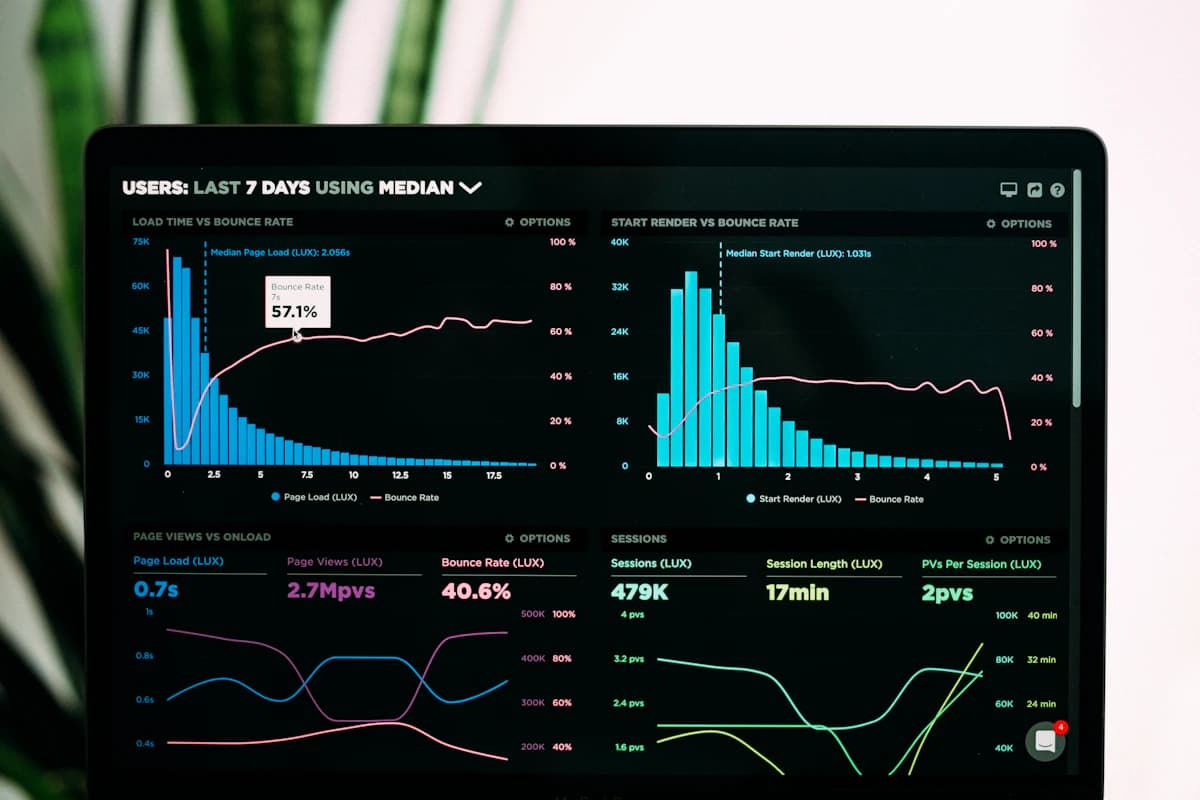
Track your review growth rate, project future review counts, and benchmark against your industry with our free calculator.
Calculate how many reviews you need to hit your target rating.